.png)

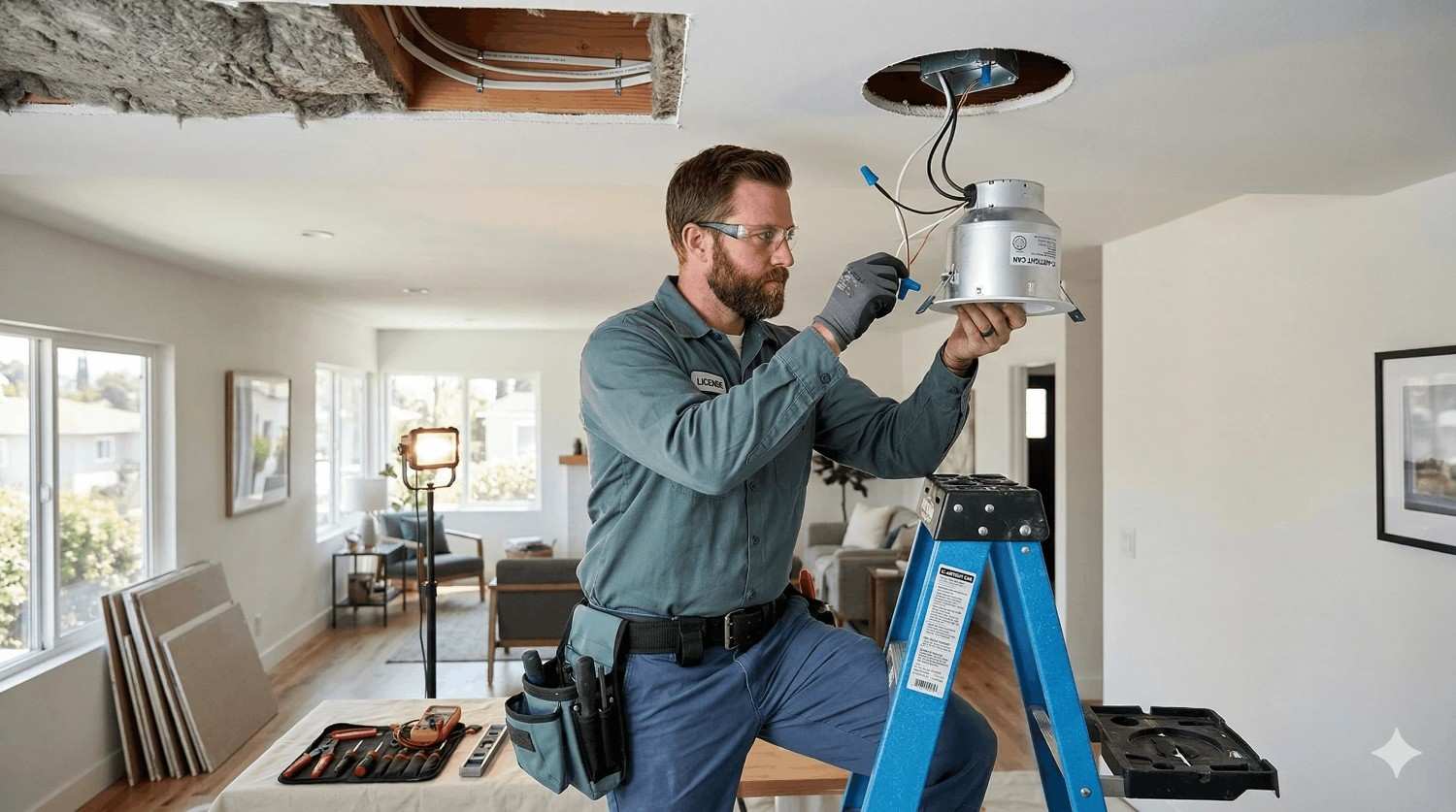
Lighting in Los Angeles is as much about permitting, power, and performance as it is about style. Whether updating a 1920s Spanish home in Hancock Park or fitting out a retail space in the Arts District, lighting installation in Los Angeles requires safe wiring, accurate load calculations, and compliance with Title 24 and LADBS inspections while still preserving the design vision.
From recessed downlights, pendants, and under-cabinet LEDs to path lights and low-voltage landscape systems, effective lighting design depends on the right technical decisions. Beam angles, color temperature, IC/AT housings, and flicker-free dimming all influence performance and comfort.
Controls are equally important. Smart switches, dimmers, occupancy or vacancy sensors, and daylighting controls help meet code requirements while improving usability and energy efficiency.
When planning a project, several factors shape the outcome:
Understanding the main service categories helps keep projects organized and aligned with both design goals and compliance requirements.
Interior lighting focuses on layered illumination that supports daily activities while enhancing the home’s architecture and finishes. The goal is to combine ambient, task, and accent lighting so that rooms feel comfortable and functional without excessive brightness or glare.
Common interior installations include recessed downlights for general illumination, pendant lights above islands or dining areas, under-cabinet LED lighting in kitchens, and accent lighting for artwork or architectural features.
Proper fixture spacing, beam angle selection, and dimming compatibility help create balanced lighting that avoids uneven brightness and harsh shadows.
Outdoor lighting improves safety, visibility, and curb appeal while extending the usability of outdoor spaces after sunset. Thoughtful placement of fixtures can highlight landscaping, guide foot traffic, and improve overall security around the home.
Typical exterior lighting systems include path and walkway lights, wall-mounted sconces, step or deck lights, and low-voltage landscape lighting systems designed to illuminate gardens and architectural features.
Durability is also important outdoors. Weather-rated fixtures, corrosion-resistant finishes, and properly sized transformers help ensure reliable performance over time.
Retrofit projects update older lighting systems to improve efficiency, meet modern code requirements, and enhance lighting quality.
Many upgrades focus on replacing outdated fixtures with LED systems, installing IC-rated housings in insulated ceilings, updating junction boxes or wiring, and converting older fluorescent fixtures to LED technology.
Retrofits often require careful planning around ceiling access, drywall patching, and compatibility with existing electrical circuits, especially in older Los Angeles homes.
Modern lighting systems increasingly rely on control technologies that improve comfort while reducing energy use.
These systems may include smart switches, dimmers with flicker-free performance, occupancy or vacancy sensors, and daylight-responsive lighting controls. In many cases, these controls are also required to meet California Title 24 energy standards.
Beyond code compliance, lighting controls allow homeowners and businesses to create flexible lighting environments that adapt to different times of day and activities.
Successful lighting projects balance design goals with electrical safety and local regulations. By organizing decisions around interior lighting, exterior systems, retrofits, and controls, homeowners and property managers can create lighting plans that meet Los Angeles code requirements while delivering long-term performance and visual appeal.
Los Angeles homes exist at the intersection of bright sun, coastal air, and diverse architectural styles. When lighting is planned carefully, it shapes how spaces feel and function, creating environments that are calm, safe, and inviting throughout the day and night. When lighting is poorly planned, it can introduce glare, uneven shadows, and unnecessary energy waste.
Los Angeles architecture varies widely. A Spanish Revival bungalow in Highland Park, a mid-century ranch in the San Fernando Valley, and a modern glass home in the Pacific Palisades each require different lighting strategies. Beam spreads, mounting heights, and fixture finishes should complement the architectural character of the home.
High or vaulted ceilings often benefit from layered lighting that combines ambient illumination with focused accent fixtures. Lower plaster ceilings may require carefully selected retrofit housings that preserve a clean ceiling surface without bulky trims.
Southern California’s abundant sunlight also plays a major role in lighting design. While daylight is a benefit, strong sunlight can create glare and contrast if artificial lighting is not balanced carefully.
Effective daylight integration may involve aligning dimmable LED lighting with window placement, using warm-white under-cabinet lighting to soften glare from bright windows, and positioning art lighting to prevent reflections on glass or glossy surfaces.
Climate conditions also influence fixture selection. Coastal homes often benefit from corrosion-resistant fixtures designed to withstand ocean air, while inland homes may require trims and drivers designed to manage heat buildup during warmer months.
Lighting comfort comes from layering multiple types of illumination within a space. Ambient lighting provides general brightness, task lighting supports activities such as cooking or reading, and accent lighting highlights architectural details or artwork.
For example, a living room that combines recessed lighting with adjustable wall washers often feels balanced and intentional. In kitchens, pairing under-cabinet lighting with pendant fixtures over an island creates brightness where it is needed without overwhelming the space.
Exterior lighting also plays an important role in safety and appearance. Well-placed step and path lighting reveal elevation changes while preserving night vision. Entry sconces positioned at comfortable eye levels can improve visibility and security without producing excessive glare.
In hillside neighborhoods, careful fixture aiming and moderate color temperatures help preserve nighttime views while aligning with dark-sky principles that many communities support.
California energy regulations strongly influence lighting design. Title 24, Part 6 establishes requirements for lighting efficiency and control systems in residential and commercial buildings.
Common elements of these regulations include high-efficacy light sources, occupancy or vacancy sensors in certain rooms, and dimming or daylight-responsive controls in others.
Lighting projects in Los Angeles often involve permitting and inspection through the Los Angeles Department of Building and Safety. Designing lighting systems with these standards in mind from the beginning can help prevent delays, failed inspections, and unnecessary revisions.
Energy efficiency also provides long-term cost benefits. The U.S. Department of Energy reports that LED lighting uses significantly less energy than traditional incandescent lamps and lasts substantially longer.
In Los Angeles, combining LED fixtures with smart dimmers or automated lighting schedules can help homeowners manage Time-of-Use electricity rates. Incentive programs offered by the Los Angeles Department of Water and Power may also help offset the cost of efficient lighting upgrades.
For homeowners and property managers, the practical question is scope. Lighting installation in Los Angeles involves much more than selecting fixtures. It includes design planning, fixture specification, safe wiring practices, structural support for ceiling fixtures, control integration, and compliance with local electrical and energy codes.
Successful projects align the function of each room, the architectural design of the property, and local regulations from the first site walkthrough through final installation and adjustment.
From single-room upgrades to whole-home lighting systems, lighting installation in Los Angeles typically includes electrical planning, code compliance, and safety upgrades in homes that range from historic properties to modern builds.
Lighting installation often extends beyond simply mounting fixtures. A typical project may involve installing new electrical boxes or circuits, wiring dimmers and lighting controls, integrating LED retrofit kits, and installing under-cabinet lighting or accent lighting systems.
Projects may also require low-voltage drivers or transformers for LED lighting and structural bracing for heavier ceiling fixtures such as chandeliers.
Exterior lighting installations can include trenching for landscape lighting cable, installing weatherproof electrical boxes and conduit, and integrating timers, motion sensors, or smart lighting controls.
Lighting systems generally fall into two electrical categories: line voltage and low voltage.
Line-voltage lighting operates on standard 120-volt household circuits and typically powers recessed lighting, pendant fixtures, and decorative ceiling fixtures.
Low-voltage lighting systems, often operating at 12 volts, are commonly used for landscape lighting, LED tape lighting, and architectural accent lighting.
Because low-voltage systems rely on transformers and longer cable runs, careful voltage-drop calculations are often required. This is especially important in hillside properties where lighting cable may travel long distances across outdoor areas.
Permitting requirements depend on the scope of electrical work being performed. Projects that involve installing new circuits, moving electrical boxes, or running concealed wiring inside walls or ceilings generally require permits.
Simple fixture replacements that reuse an existing electrical box often do not require permits.
More complex projects such as kitchen or bathroom lighting upgrades, exterior wiring installations, or electrical service changes typically require plan review and inspection through the Los Angeles Department of Building and Safety. A licensed C-10 electrical contractor typically manages these steps and ensures Title 24 documentation is completed correctly.
Professional electricians provide technical expertise that improves lighting performance and safety. Proper installation includes matching dimmers with LED drivers to prevent flicker, confirming electrical circuit capacity, verifying electrical box fill limits, and installing IC-rated recessed housings that reduce air leakage through ceilings.
These details help ensure that lighting systems perform reliably while meeting California energy standards.
Different neighborhoods across Los Angeles can introduce unique installation challenges.
Downtown Los Angeles lofts often rely on track lighting or exposed conduit installations because of concrete ceilings. Homes in coastal areas such as Santa Monica and the South Bay frequently require corrosion-resistant hardware to withstand ocean air.
Older homes with lath-and-plaster ceilings may require specialized remodel lighting housings and low-dust installation techniques to minimize patching and repair work. Meanwhile, ADUs and garage conversions in the San Fernando Valley often prioritize efficient task lighting and vacancy sensors to meet Title 24 energy requirements.
Many modern lighting installations incorporate smart control systems that improve convenience and energy efficiency. These systems may include smart dimmers, mobile-app lighting controls, occupancy or vacancy sensors, and centralized lighting panels that manage multiple lighting zones.
In older homes where switch boxes may lack a neutral wire, installing smart lighting systems sometimes requires in-wall relays or minor rewiring to support modern control technologies.
Lighting installations must also address structural and electrical safety. Large fixtures such as chandeliers require properly rated electrical boxes and support brackets. Outdoor installations require GFCI protection, and residential lighting circuits often include AFCI protection to reduce electrical fire risks.
Because Los Angeles is located in a seismic region, ceiling-mounted fixtures may also require additional bracing or safety cables to ensure long-term stability.
Many homes upgrade lighting through LED retrofits rather than full fixture replacement. Retrofit trims can modernize existing recessed lighting housings while minimizing ceiling disruption.
LED technology significantly reduces energy consumption while providing long service life. Depending on the product, LED fixtures can last tens of thousands of hours while producing far less heat than older incandescent or halogen lamps.
In some situations, however, replacing the entire fixture may be necessary to meet high-efficacy lighting standards or achieve improved dimming compatibility.
Outdoor lighting should provide visibility without excessive brightness. Shielded fixtures, moderate light levels, and warm color temperatures between 2700K and 3000K help maintain comfortable nighttime environments.
Proper aiming and fixture placement can minimize glare and reduce skyglow, helping preserve nighttime views in hillside neighborhoods.
In wildfire-prone areas, exterior lighting systems should maintain safe clearances from vegetation and use listed outdoor electrical enclosures. Coastal properties benefit from corrosion-resistant housings and stainless-steel hardware that extend fixture lifespan.
Understanding the full scope of lighting installation helps homeowners and property managers make informed decisions about budgets, timelines, and system performance before any ceilings or walls are opened.
With the available options mapped out, the next step is developing lighting plans that thoughtfully layer ambient, task, and accent lighting to support how Los Angeles spaces are used every day.
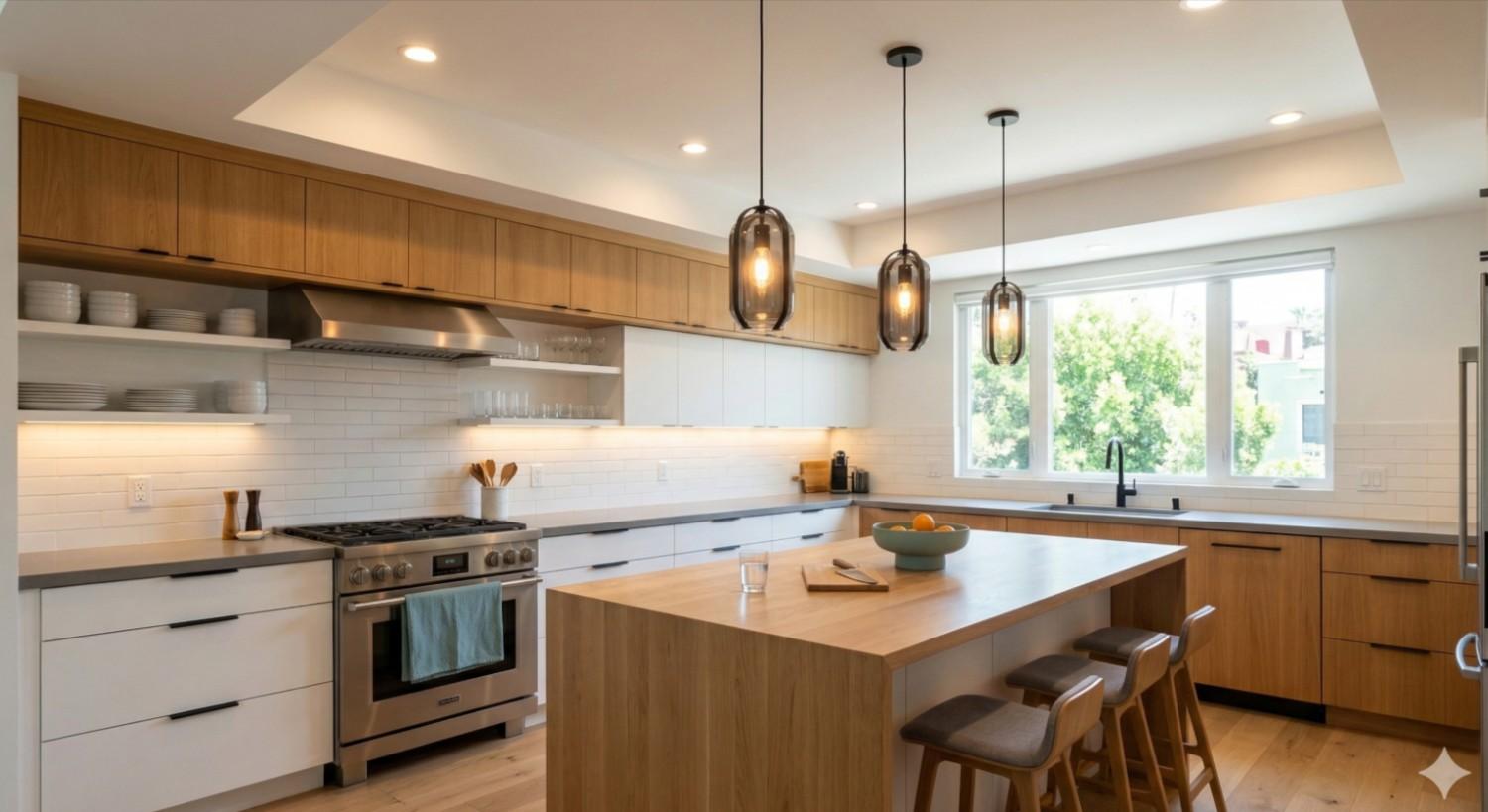
Small oversights in planning and specification can lead to flicker, failed inspections, or premature failures, especially with Los Angeles energy codes and coastal environmental conditions. When planning lighting installation Los Angeles projects, these common issues are worth reviewing before fixtures and controls are installed.
Many LED lamps and fixtures do not dim correctly when paired with legacy or mismatched dimmers. This often results in flicker, buzzing, limited dimming range, drop-out at low levels, or shortened lamp life.
The solution is to match the dimmer type to the LED driver being used. Common driver types include ELV (electronic low voltage), MLV (magnetic low voltage), and 0–10V dimming systems. Manufacturer compatibility charts should always be reviewed before installation.
For example, many modern LED downlights designed for residential installations perform best with ELV dimmers. Selecting a dimmer that is specifically listed as compatible on the fixture’s specification sheet can provide smooth dimming from roughly 10 percent to full brightness without flicker.
California’s Title 24 energy code requires high-efficacy lighting and specific control devices in many residential rooms. Installing non-compliant fixtures or forgetting required controls can lead to inspection failures and costly replacements.
Bathrooms, garages, laundry rooms, and some utility spaces typically require vacancy sensors. Many habitable rooms also require dimmers or other energy-saving controls.
To avoid problems during inspection, lighting systems should use high-efficacy fixtures or lamps that meet JA8 requirements where applicable. Confirming compliance with California Energy Commission guidance before ordering fixtures can prevent last-minute product changes or delays during installation.
Many older Los Angeles homes were wired without a neutral conductor in the switch box. Most modern smart switches and smart dimmers require a neutral wire to operate correctly.
Adding smart devices to an older switch box can also create another issue: exceeding the allowed box-fill capacity under electrical code requirements.
When planning smart lighting upgrades, it is important to verify whether a neutral wire is present in the switch box. If one is not available, homeowners may need to choose smart switches designed for no-neutral installations or have a licensed electrician run a neutral conductor to the box. In some situations, installing a smart relay at the fixture location, where a neutral is present, can also solve compatibility issues.
Improper recessed lighting housings can cause both safety and energy problems. Non-IC (non–insulation contact) fixtures installed beneath attic insulation may overheat, while non-airtight housings can allow conditioned air to escape through ceiling openings.
In Los Angeles homes with attached garages or multi-family construction, some ceiling assemblies also require fire-rated protection.
To prevent these issues, recessed lighting installations should use IC-rated and airtight (IC/AT) housings or sealed LED downlights designed for insulated ceilings. Where ceilings require fire separation, fixtures or protective enclosures should be specifically listed for use in rated assemblies and installed according to manufacturer instructions.
Exterior lighting failures are especially common in coastal parts of Los Angeles County. Fixtures that are only rated for damp locations or that use standard steel hardware often corrode quickly in salt air.
Unsealed wall penetrations or poorly protected junction boxes can also allow moisture to enter electrical connections, which may trip GFCI devices or damage wiring.
Outdoor lighting systems should use fixtures rated for wet locations with appropriate IP ratings. Marine-grade finishes, brass construction, or 316 stainless steel hardware can significantly extend fixture life near the coast. Exterior receptacles should use weatherproof “in-use” covers, and wall penetrations should be sealed with UV-resistant silicone. Applying dielectric grease on outdoor electrical connections can also help reduce corrosion in coastal neighborhoods such as the South Bay.
Landscape lighting systems often experience voltage drop when cable runs are long or when too many fixtures are connected to a single transformer. This is common in hillside properties where lighting circuits must travel long distances.
When voltage drop occurs, the fixtures farthest from the transformer may appear dim or shift toward a warmer amber color.
Proper planning begins with calculating the total wattage or volt-amp load of the lighting system and selecting a transformer with sufficient capacity. Multi-tap transformers that offer outputs such as 12V, 13V, 14V, and 15V can help compensate for voltage drop over longer cable runs.
Using heavier-gauge landscape lighting cable, such as 10 or 12 AWG, and dividing the system into multiple home-run circuits can also maintain even brightness. On hillside properties, this approach often restores uniform lighting performance across the entire landscape.
Getting these details right helps ensure smoother inspections, longer-lasting lighting systems, and installations that perform exactly as designed without costly callbacks or repairs.

Lighting in Los Angeles is evolving from a simple collection of fixtures into a responsive system that supports comfort, safety, and energy efficiency. In a city defined by bright daylight, warm evenings, and changing energy regulations, lighting decisions today can shape how a property adapts to future Title 24 updates, Time-of-Use utility rates, and new generations of smart controls.
When planning a lighting installation, it helps to think beyond individual fixtures and focus on the underlying electrical and control infrastructure. Planning ahead allows systems to adapt easily as technology and energy standards evolve.
One practical step is ensuring that neutral wires are present in all switch boxes. Many modern smart dimmers and lighting controls require a neutral conductor, and including one during installation keeps future upgrade options open.
It can also be beneficial to run low-voltage control wiring, such as 0–10V dimming lines, alongside power wiring in areas where recessed or accent lighting is installed. Even if the system initially uses standard dimmers, having this wiring in place allows for smoother upgrades to advanced lighting scenes or centralized control systems later.
In larger open-concept spaces, dividing lighting into zones helps improve flexibility and energy management. For example, kitchen task lighting, living-room ambient lighting, and accent lighting for artwork can each operate on separate circuits. This approach allows homeowners to adjust lighting levels throughout the day and reduce energy use during peak utility periods without compromising visibility where it matters.
Energy efficiency continues to shape lighting design across California. Modern LED technology already reduces electricity use significantly compared to older incandescent or halogen lamps, but lighting controls can further improve efficiency.
Occupancy and vacancy sensors often reduce lighting energy consumption by approximately 15 to 30 percent in many spaces. Daylight-responsive dimming systems can also lower energy use in rooms with large windows by automatically adjusting brightness when natural light is available.
Outdoor lighting practices are evolving as well. In hillside and coastal neighborhoods, many communities increasingly favor dark-sky-friendly lighting design. This typically involves warm color temperatures, shielded fixtures that direct light downward, and careful aiming to illuminate surfaces without spilling light into neighboring homes or the night sky.
California’s Title 24 standards are updated periodically and tend to move toward higher lighting efficiency and expanded control requirements. Designing electrical circuits, control wiring, and fixture zoning with these future updates in mind can make later upgrades far simpler.
Lighting systems are also becoming more integrated with broader home and building automation technologies. New interoperability standards, including Matter, are helping devices from different manufacturers communicate more reliably within a single smart-home environment.
Thread-based wireless networks are also improving reliability by reducing dependence on traditional Wi-Fi connections. As a result, lighting systems can coordinate more easily with other building systems such as motorized shades, thermostats, and security devices.
Resiliency planning is another growing consideration. Some homeowners choose to include a few battery-backed pathway lights or preset lighting scenes that conserve energy during power interruptions or demand-response events. In small commercial environments, scene-based dimming systems can also help businesses shift lighting levels throughout the day, for example, creating a brighter environment during operating hours and lower lighting levels for cleaning or stocking after closing.
The most practical strategy is to treat lighting as a phased system rather than a one-time installation. A property owner might begin by installing advanced controls, sensors, and dimming in one key zone of the home or workspace. Once those features are tested and refined, the same approach can be expanded across other rooms or areas.
By approaching lighting installation in Los Angeles with attention to wiring readiness, circuit zoning, and flexible control systems, homeowners and property managers create a lighting platform that can adapt to new fixtures, updated codes, and changing daily routines without requiring major rewiring.
Lighting in Los Angeles succeeds when design intent, safe electrical practice, and energy code compliance move together. The key is planning. Fixtures and controls should match the purpose of each space, projects should account for Title 24 and LADBS requirements from the beginning, and wiring should allow for future upgrades so dimming, sensors, and LED systems operate smoothly without flicker or installation issues.
For lighting installation Los Angeles projects, property owners who approach lighting as a configurable system often achieve the most reliable results. Zoning circuits by activity, selecting compatible dimmers and drivers, installing IC/AT-rated recessed housings, choosing coastal-rated exterior fixtures, and properly planning landscape lighting power all contribute to long-term performance and flexibility.
When lighting is designed with these fundamentals in place, systems not only look right today but also adapt more easily to future technology and code changes. If you are planning a lighting project, the most effective starting point is a site walkthrough combined with a review of electrical loads, control strategies, and fixture compatibility. From that foundation, the remaining design and installation decisions can move forward with clarity and confidence.
What are the core elements of a lighting installation plan in Los Angeles, from design and fixture selection to permits and inspections?
A successful lighting plan begins with a layered design that balances ambient, task, and accent lighting. This includes selecting fixtures with the appropriate beam angles, color temperatures, and dimming performance so lighting remains comfortable and functional throughout the space.
Fixtures and housings should match the ceiling type and installation conditions. In insulated ceilings, IC-rated and airtight (IC/AT) housings are commonly required. Electrical planning should also confirm circuit loads, box-fill limits, and structural support for heavier fixtures such as chandeliers.
Controls are another important component of the plan. Dimmers, occupancy or vacancy sensors, and daylight-responsive controls are often required to meet California Title 24 energy standards.
In Los Angeles, a licensed C-10 electrical contractor typically manages permitting through the Los Angeles Department of Building and Safety. They coordinate inspections, confirm code compliance, and account for practical cost factors such as ceiling access, drywall patching, retrofit complexity, and available LADWP incentives.
What is California Title 24 for residential lighting, and why does it matter for projects in Los Angeles?
Title 24, Part 6 is California’s energy efficiency code that sets minimum performance standards for lighting systems. These standards apply to both residential and commercial buildings and focus on reducing energy consumption through efficient fixtures and intelligent controls.
Many residential lighting installations must use high-efficacy fixtures or lamps that meet JA8 requirements. Certain rooms must also include controls such as vacancy sensors, dimmers, or daylight-responsive lighting.
In Los Angeles, Title 24 compliance is verified during permitting and inspection through LADBS. If fixtures or controls do not meet the required standards, the project may fail inspection and require replacement or modification before approval.
Designing lighting systems with Title 24 requirements in mind from the beginning helps avoid delays, extra labor, and last-minute equipment changes.
How do ambient, task, and accent lighting work together to create comfortable, functional rooms?
These three lighting layers work together to create balance and flexibility in a space.
Ambient lighting provides the general brightness of the room and allows people to move safely and comfortably through the space. Task lighting focuses illumination on specific activities such as cooking, reading, or working at a desk. Accent lighting adds visual interest by highlighting artwork, architectural details, or textures.
When these layers are properly balanced, rooms feel comfortable and intentional rather than overly bright or unevenly lit. Correct fixture spacing, beam selection, and compatible dimming systems help maintain this balance throughout the day and evening.
What are the key differences between line-voltage and low-voltage lighting systems, and where is each commonly used?
Line-voltage lighting operates on standard 120-volt household circuits and powers most common fixtures in homes. Recessed downlights, pendant fixtures, chandeliers, and many decorative lights typically use line voltage.
Low-voltage lighting systems usually operate at around 12 volts and rely on transformers to step down the electrical supply. These systems are frequently used for landscape lighting, LED tape lighting, and architectural accent lighting.
Because low-voltage systems may involve long cable runs, they require careful planning to prevent voltage drop. On hillside properties or larger landscapes, designers may use multi-tap transformers and heavier-gauge wiring to maintain consistent brightness across fixtures.
What are the pros and cons of using LED retrofit kits compared to replacing fixtures with new LED models?
LED retrofit kits are often used to upgrade older recessed lighting housings. They can be installed quickly and usually require minimal ceiling work, making them a cost-effective solution for modernizing existing lighting.
However, retrofit kits sometimes have limitations. They may offer fewer dimming options, and in certain situations they may not fully satisfy high-efficacy or control requirements for specific rooms.
Replacing the entire fixture with a modern LED unit often provides improved light quality, better dimming compatibility, and stronger air sealing. New fixtures may also simplify compliance with energy codes. The tradeoff is that fixture replacement may involve more labor and higher upfront cost.
Choosing between retrofits and new fixtures usually depends on ceiling access, code requirements, and the desired lighting performance.
How do dimmers, sensors, and daylight-responsive controls improve energy efficiency and comfort in a typical home?
Lighting controls help balance comfort with energy savings.
Dimmers allow homeowners to adjust brightness depending on the activity or time of day, which improves visual comfort while reducing electricity use. Occupancy or vacancy sensors automatically turn lights off when rooms are not in use, reducing wasted energy.
Daylight-responsive dimming systems adjust artificial lighting near windows based on available sunlight. This can significantly reduce daytime lighting demand in bright Los Angeles interiors.
Together, these controls help meet Title 24 energy requirements while improving everyday usability. In homes with Time-of-Use utility pricing, lighting schedules can also be adjusted to reduce consumption during peak rate periods.
What common lighting installation mistakes lead to flicker, failed inspections, or premature failures, and how can they be avoided?
One of the most common problems is pairing incompatible dimmers and LED drivers. Mismatches between ELV, MLV, or 0–10V systems often cause flicker or buzzing. Checking manufacturer compatibility charts before installation helps prevent these issues.
Another frequent issue is failing to install JA8-compliant fixtures or required sensors, which can lead to failed Title 24 inspections. Older homes may also present challenges when smart switches are installed without neutral wires or when additional devices exceed box-fill limits.
Other problems include installing non-IC housings near insulation, which can cause overheating or energy loss, and selecting exterior fixtures that are not designed for coastal conditions.
Proper planning, code awareness, and compatibility checks help prevent these issues before installation begins.
What factors influence the durability and performance of exterior and landscape lighting?
Outdoor lighting must withstand weather, moisture, and environmental conditions.
Durable installations typically use fixtures rated for wet locations with appropriate IP ratings. In coastal areas, corrosion-resistant materials such as brass or 316 stainless steel hardware help extend fixture life.
Wall penetrations should be sealed to prevent water intrusion, and exterior electrical boxes should use weatherproof covers. Applying dielectric grease to outdoor connections can also reduce corrosion over time.
Proper transformer sizing and cable selection are essential for landscape lighting systems, especially on larger properties where long wiring runs can create voltage drop.
Safety is also important. Exterior systems typically include GFCI protection, maintain clearances in wildfire-prone areas, and use shielded fixtures with warm color temperatures to support dark-sky lighting practices.
What permits and inspections does LADBS typically require for lighting projects in Los Angeles?
Permits are generally required when lighting projects involve new electrical circuits, relocating electrical boxes, or running concealed wiring inside walls or ceilings.
Projects involving kitchen lighting, bathroom upgrades, exterior wiring, or service changes usually require plan review and inspection through the Los Angeles Department of Building and Safety.
Simple one-for-one fixture replacements that reuse an existing electrical box often do not require a permit. However, larger upgrades typically involve both rough inspections and a final inspection to confirm safe installation and Title 24 compliance.
A licensed C-10 electrical contractor usually handles permit applications, documentation, and inspection scheduling for the project.
What lighting design and control trends are emerging for homes, and how do they compare with traditional switch-and-dimmer setups?
Residential lighting is increasingly incorporating smart control technologies that allow lighting systems to respond to schedules, occupancy, and daylight conditions.
Smart dimmers, mobile app controls, occupancy sensors, and integrated lighting scenes are becoming common features in modern homes. Interoperability standards such as Matter and networking technologies like Thread are improving communication between devices from different manufacturers.
Designers also often plan wiring with future upgrades in mind, such as including neutral wires in switch boxes or running 0–10V control lines for advanced dimming systems. Lighting zones are frequently divided by activity so homeowners can create different scenes for cooking, relaxing, or entertaining.
Traditional switches and standalone dimmers remain reliable and easy to use, but they offer limited automation and fewer opportunities for energy optimization compared with modern smart lighting systems.
